
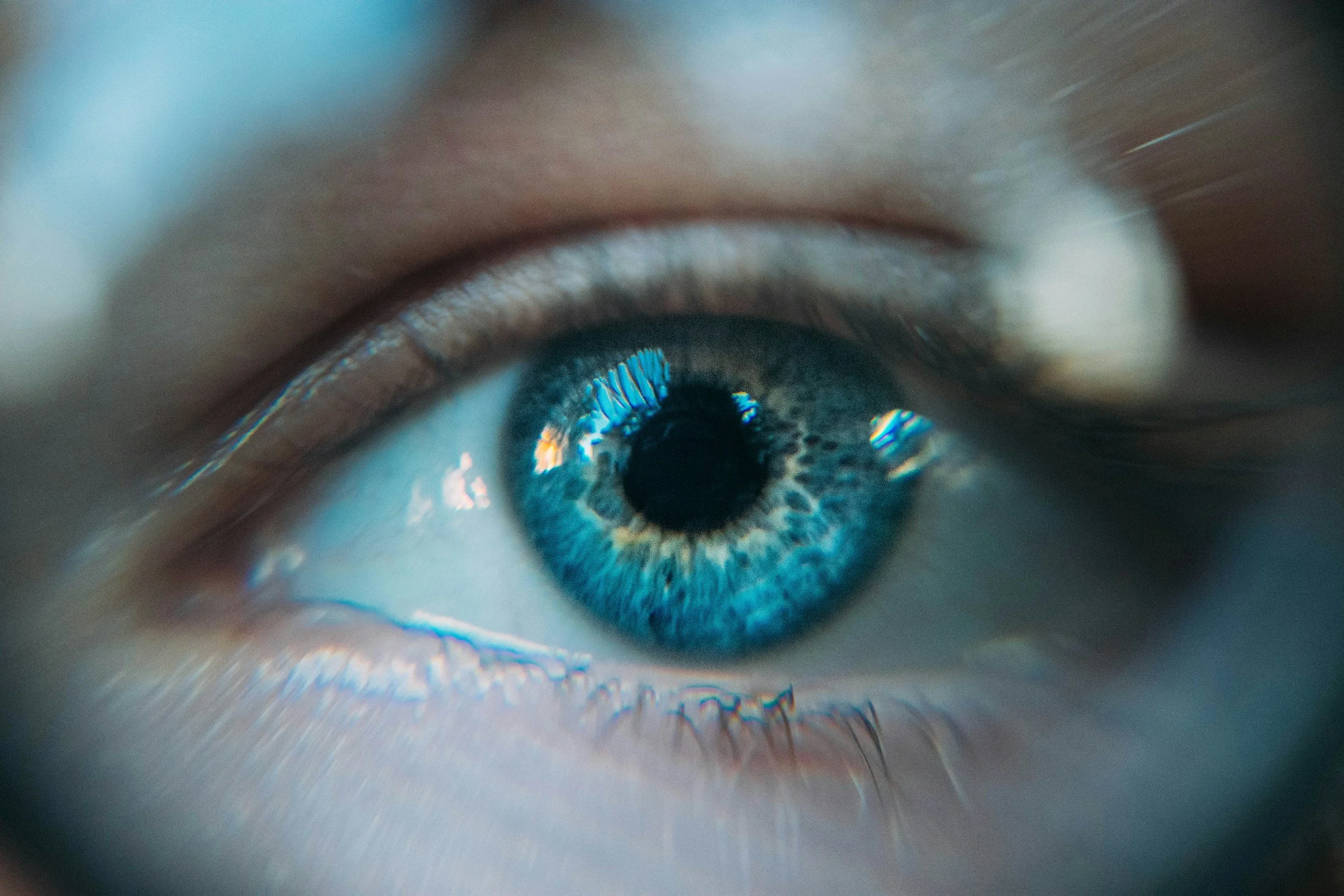
Pediatric Eye Exam: We Care for Their Eyes, We Support Their Learning.
Our pediatric exams are friendly, dynamic, and age-appropriate, allowing us to accurately assess their vision, even if they cannot yet read.
Eye Exams: An Essential Guide for Parents
Why are they vital?
Impact: Up to 25% of school-aged children have vision problems.
Prevention: Detecting issues early prevents permanent vision loss.
Learning: Good vision is the foundation for reading, writing, and physical coordination.
Eye Exams for Children
Quick Guide: Your Child's First Eye Exam
1. The Ideal Appointment
Referral: If your pediatrician detects anything unusual, they will refer you to an ophthalmologist or optometrist.
Timing: Choose a time of day when your child is well-rested and in a good mood.
2. What to Expect During the Exam
The specialist will evaluate ocular health through:
Visual acuity and alignment tests.
Screenings to determine the need for glasses.
A review of birth and medical history.
3. Key Information to Prepare
Have the following details ready for the medical forms:
Birth History: Birth weight, weeks of gestation, and any complications during delivery.
General Health: Current medications and allergies.
Family History: Cases of nearsightedness (myopia), "lazy eye" (amblyopia), or crossed eyes (strabismus).
Eye and vision problems that affect children
FAQs
-
An initial assessment is recommended between 6 and 12 months, another at 3 years, and annually once they start school.
-
We use special techniques and high-tech equipment to objectively measure the prescription without the need for the child to pronounce the letters.
-
Often yes, as it allows us to obtain the most accurate measurements to determine if correction is necessary in children.
Clarity for every step of your life.
CORONA VISION
Follow us on our social media